Our Research
Below are all of the studies we are undergoing, including some which are completed. Below that is an up to date list of our publications.
Recruitment open!
DENTOFACIAL-PBT
DENtofacial TOxicity: Facilitating Advancement in paediatric Cancer toxIcity reporting And Liaison in Proton Beam Therapy.
The DENTOFACIAL-PBT Study is being conducted in Manchester and consists of three stages. Recruitment for stage 2 started din January 2026. The aim is to learn about the side effects to the teeth and jaws in children treated with proton beam therapy (PBT), a type of radiotherapy. We will be asking head and neck childhood cancer survivors treated with PBT overseas or in Manchester to support this research. The information gained in this study will allow the research team to look at how age, location and amount of dose given affects the side effects seen.
If you have any questions about this study, please reach out to Emma by emailing dentofacialPBT@mft.nhs.uk


REFLECT
Evaluation of the infoRmation and support nEeds oF chiLdren at risk of dEveloping faCial deformaTion after radiotherapy (REFLECT).
REFLECT is a two-phase qualitative study exploring childhood cancer survivors (and parents/carers) experiences and perspectives of the impact of living with facial deformation after radiotherapy for head and neck cancer.
In phase 1, semi-structured individual interviews with childhood cancer survivors who have undergone radiotherapy for head and neck cancer will be conducted. Phase 2 focuses on parent and carer perspectives. The information gathered in this study will help identify potential unmet information provision and support needs.
If you have any questions about this study, please reach out to Lucy by emailing l.davies33@nhs.net
Recruitment open!
Publications
We have published numerous articles in peer-reviewed journals contributing valuable knowledge to the field of oncology.
EJC Paediatric Oncology
Dentofacial side-effects in childhood cancer survivors: the SMILE consortium
Radiotherapy to the head and neck in childhood can change the way the face and teeth grow. We still know very little about how much radiotherapy a developing jaw or tooth bud can safely receive, so there are no dose limits matched to a child's age and no agreed standard for follow-up. This paper explains why SMILE was formed and what it plans to do. The work sits under three headings. Investigate builds the missing evidence. Integrate turns that evidence into guidance clinical teams can use. Innovate develops better tools and dedicated clinics for survivors.
EJC Paediatric Oncology
Contouring and dose extraction of the maxilla, mandible and teeth on head and neck cancer radiotherapy planning scans
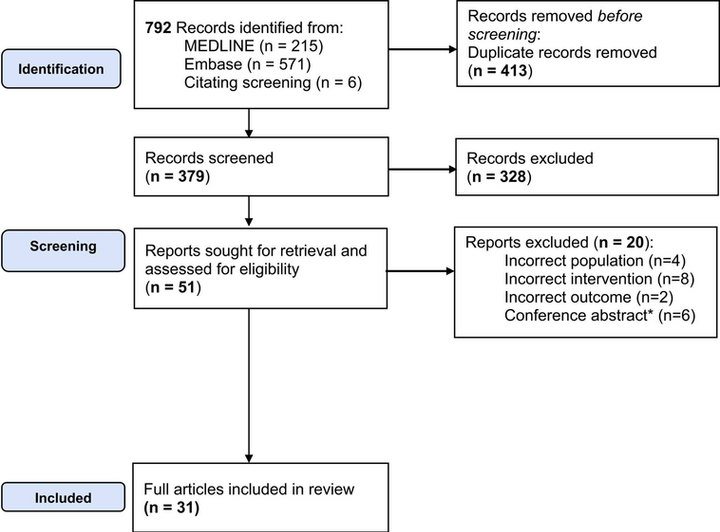
Before radiotherapy begins the treatment team draws around structures on the planning scan so the dose to each one can be measured. This process is called contouring. The lower jaw is usually included but the upper jaw and teeth often are not. This review examined 31 studies published between 2003 and 2025 and found no shared method. Only seven outlined the upper jaw. Very few included children with developing teeth. Without a common approach results cannot be compared between studies. The paper calls for agreed international guidelines and sets out what future work should report.
